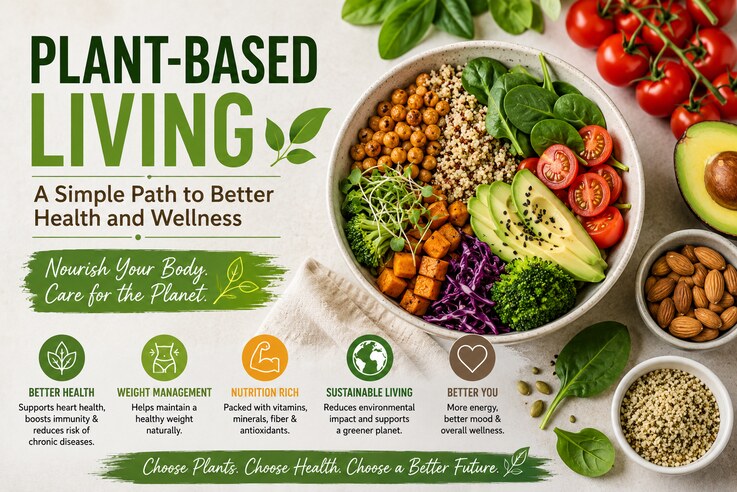
As more people seek healthier and more sustainable lifestyles, plant-based living has become one of the fastest-growing wellness trends worldwide. Unlike restrictive diets, a plant-based diet focuses on consuming mostly foods that come from plants, including fruits, vegetables, legumes, nuts, seeds, and whole grains. Whether your goal is improved health, weight management, or environmental sustainability, embracing plant-based living can offer numerous benefits.
What Is Plant-Based Living?
Plant-based living goes beyond simply changing what you eat. It is a lifestyle that emphasizes nourishing your body with whole, minimally processed foods while making choices that support personal health and environmental well-being. A whole food plant based diet encourages nutrient-dense foods that provide essential vitamins, minerals, fiber, and antioxidants.
Unlike strict veganism, plant-based living does not always require completely eliminating animal products. Instead, it prioritizes plant foods as the foundation of daily nutrition.
The Health Benefits of a Plant-Based Diet
One of the biggest reasons people adopt a plant-based diet is its positive impact on health. Numerous studies have linked plant-focused eating patterns to reduced risks of chronic diseases and improved overall wellness.
- Supports heart health by reducing saturated fat intake.
- Helps maintain healthy cholesterol levels.
- Promotes healthy digestion through increased fiber consumption.
- Supports healthy weight management and weight loss goals.
- Provides antioxidants that help combat inflammation.
- May lower the risk of Type 2 diabetes and cardiovascular disease.
These benefits of a plant based diet make it an excellent choice for individuals seeking long-term wellness.
Plant-Based Nutrition – Getting the Right Nutrients
Proper plant based nutrition involves eating a variety of foods to ensure your body receives all essential nutrients. Important nutrients include protein, iron, calcium, omega-3 fatty acids, and vitamin B12.
Excellent sources of plant based protein include lentils, chickpeas, beans, tofu, tempeh, quinoa, nuts, and seeds. Combining diverse plant foods throughout the day helps meet nutritional needs while supporting optimal health.
Easy Ways to Start Plant-Based Living
Transitioning to a plant-focused lifestyle doesn’t have to be overwhelming. Small changes can lead to significant improvements over time.
- Start with one plant-based meal each day.
- Replace processed snacks with fruits and nuts.
- Experiment with healthy plant based meals and recipes.
- Choose whole grains over refined carbohydrates.
- Add more vegetables to your favorite dishes.
- Explore plant-based alternatives for dairy and meat products.
These simple steps can help create sustainable healthy eating habits that are easy to maintain.
Plant-Based Living and Sustainability
Beyond personal health, plant-based living contributes to a more sustainable living model. Plant foods generally require fewer natural resources than animal-based foods, resulting in lower greenhouse gas emissions and reduced environmental impact.
Choosing more plant-based meals supports an eco friendly lifestyle while promoting responsible food consumption for future generations.
Building a Healthy Lifestyle with Plant-Based Choices
Adopting a plant-based lifestyle is not about perfection. It’s about making mindful choices that support long-term wellness. By focusing on nutrient-rich foods, regular physical activity, and healthy daily habits, individuals can experience improved energy levels, better digestion, enhanced heart health, and overall well-being.
Whether you’re exploring a vegan lifestyle or simply looking to add more plants to your plate, plant-based living offers a practical and enjoyable path toward better health. Small changes today can create lasting benefits for your body, your mind, and the planet.